
From the outside, a grocery store can look pretty straightforward. Big building, open floor plan, lots of shelving.
But grocery store construction is anything but simple.
Refrigeration, food service, HVAC, electrical, plumbing, controls, health department requirements, and a huge amount of owner furnished equipment all have to come together at exactly the right time.
And all of this is being built for an industry where margins are incredibly tight. According to FMI, average food retailer net profit was only about 2 percent in 2025.
When you’re making pennies on the dollar, construction cost, operating cost, and opening on time all matter. That’s why grocery operators need a GC who understands the business behind the building, not just how to build it.

CEO
Grocery store construction is very different from typical retail.
You have refrigerated cases, walk in coolers and freezers, food preparation areas, bakeries, delis, cooking equipment, specialty plumbing, large electrical loads, and sophisticated controls.
Then you have to make all of those systems work together.
A refrigerated case might involve electrical, refrigeration piping, condensate, controls, and very specific floor penetrations. Move something a few inches and suddenly you’ve affected multiple trades.
There’s also a huge amount of owner furnished equipment coming from different vendors.
Who unloads it? Who installs it? Who provides power and plumbing? Who makes the final connection?
We’ve learned that on grocery store projects, a good responsibility matrix can be just as important as a good set of plans. Scope gaps create change orders, rework, and delays that ultimately affect the economics of the store.
Grocery store construction has a very real deadline.
Inventory has to arrive. Employees need to be trained. Health inspections have to happen. Refrigeration needs to be commissioned. Shelves need to be stocked. POS systems need to work.
Every day the opening gets pushed is another day the grocery store isn’t generating revenue.
That’s why the construction schedule needs to be built around opening day, not simply substantial completion.
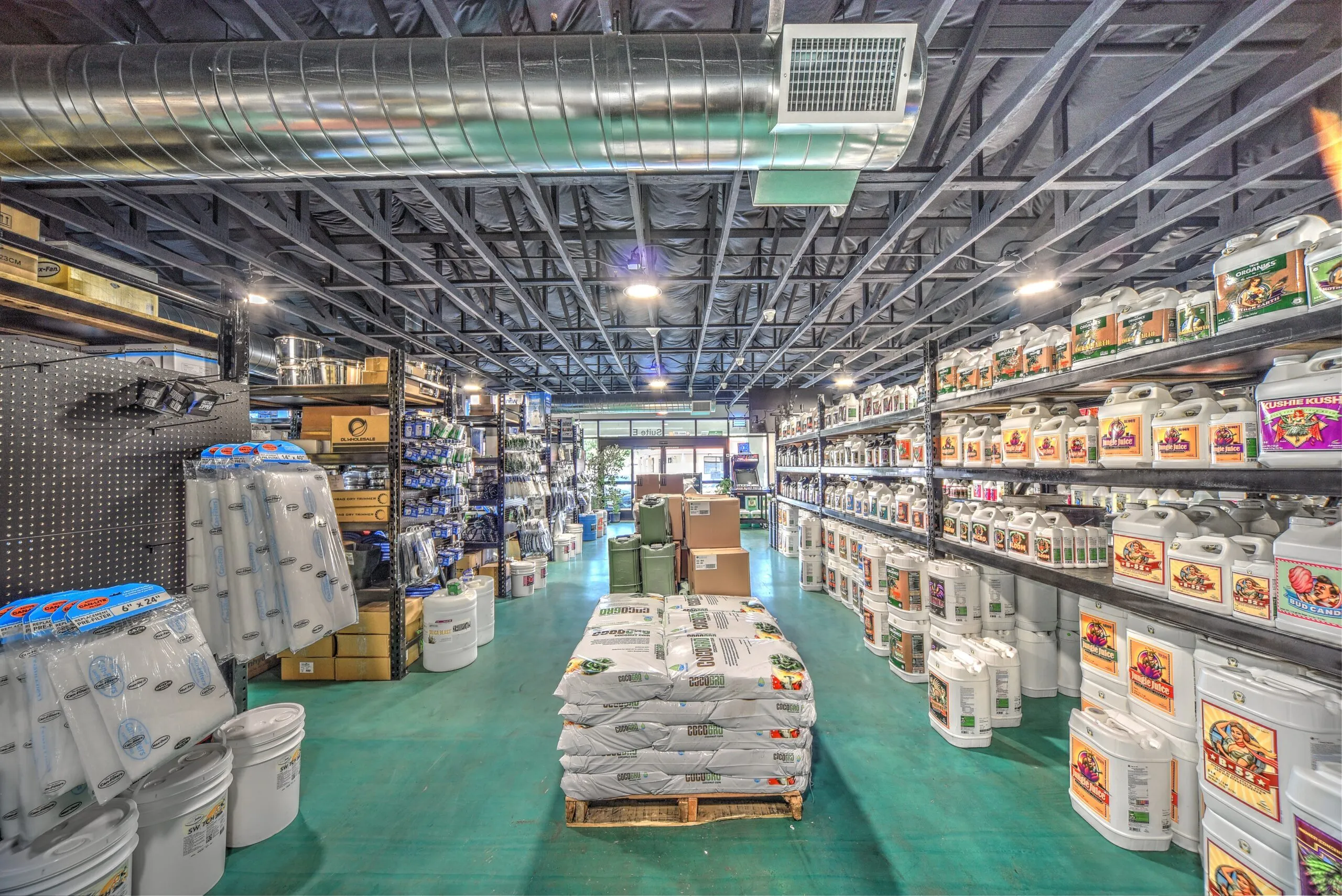
A grocery store can look almost finished and still have a tremendous amount of coordination left before it’s ready for its first customer.
For me, this is the biggest takeaway.
When a grocery operator is working on roughly a 2 percent net margin, construction decisions ultimately affect the business.
A good GC should be identifying scope gaps, challenging unnecessary costs, coordinating owner furnished equipment, validating utilities, identifying long lead items, and solving problems on paper before they become expensive problems in the field.
But protecting the budget doesn’t mean building everything as cheaply as possible.
Saving money on refrigeration, HVAC, lighting, or controls doesn’t accomplish much if it increases operating costs for the next ten years.
Schedule matters too. Opening three weeks late isn’t just three weeks added to construction. It’s three weeks the operator isn’t selling groceries.
So if I were selecting a GC for a grocery store, I wouldn’t look solely at the lowest number.
I’d want a contractor who understands grocery construction, thinks about operating costs as well as construction costs, identifies gaps between the owner and vendors, understands the importance of the opening date, and is willing to speak up when something doesn’t make sense.
When margins are measured in pennies, there isn’t much room for wasted money, rework, or avoidable delays.
The right GC shouldn’t just build the grocery store. They should help protect the business case behind it.
Grocery store construction requires a team that understands the operator’s business, not just their drawings.
Schedule matters. Operating costs matter. Coordination matters. Opening day matters.
That’s why the best grocery store projects start with the construction team involved early, while there is still time to solve problems on paper instead of in the field.
Planning a grocery store or grocery anchored retail project in the Central Valley?
Shoot me an email or give me a call. Happy to walk you through what we’re seeing and what it takes to get one of these projects across the finish line.
Email me at: j.simile@similebuilt.com.
Joseph J. Simile
President, Simile Construction
209.545.6111