

President and COO
A few years ago, sustainability was something owners asked about because they wanted to be environmentally responsible. Today, it is something they ask about because they have to.
Between California building codes, tenant expectations, rising utility costs, and long term operating expenses, sustainable construction has become part of almost every commercial project we build.
The good news is that building sustainably does not necessarily mean building dramatically more expensively. When it is planned correctly from the beginning, many of these features improve the long term value of the building while reducing operating costs for years to come.
Here are a few of the biggest things I think every California developer should know before starting their next project.
One of the biggest misconceptions I see is that sustainability is something you add at the end of a project.
It is not.
The decisions that have the biggest impact are usually made during planning and design. Building orientation, window placement, insulation, mechanical systems, lighting, and even structural design all influence how efficiently a building will perform for decades.
The earlier your architect, engineers, and contractor are working together, the easier it becomes to make smart decisions without increasing costs later.
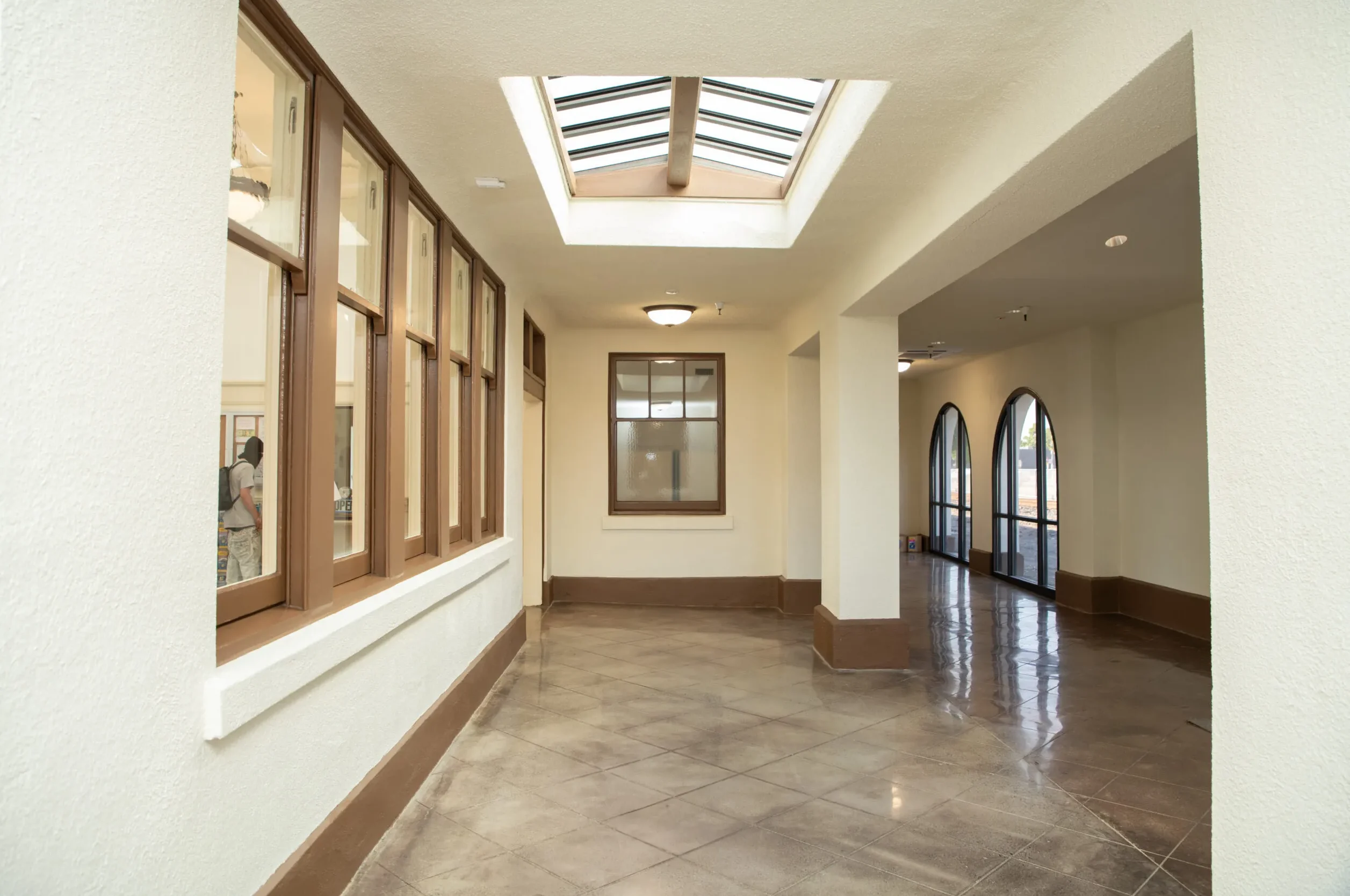
We have found that bringing the construction team in during preconstruction almost always creates opportunities to improve performance while protecting the budget.
Nobody is surprised when California introduces another round of energy or environmental requirements.
The current Title 24 and CALGreen building standards continue pushing commercial projects toward greater energy efficiency, electrification, EV charging infrastructure, and higher performing building systems. Many cities throughout Northern California are also adopting local requirements that go beyond the statewide minimums.
That means sustainability is no longer something owners can decide to skip. It has become another part of good project planning.
The key is understanding those requirements early so they become part of the design instead of becoming expensive redesigns during permitting.
Most owners focus on construction cost, which makes sense.
But I always encourage clients to think about operating cost too.
Efficient HVAC systems, better insulation, quality glazing, LED lighting, smart controls, water efficient fixtures, and properly designed building envelopes all reduce utility costs year after year.
More owners are also looking at sustainability through the lens of resilience. Buildings that use less energy, can better manage power interruptions, and have lower operating costs are becoming increasingly attractive to tenants, lenders, and long term investors.
Sometimes spending a little more during construction saves substantially more over the life of the building.
This is especially true with office, medical, industrial, and institutional projects.
Many tenants now have their own environmental goals and reporting requirements. Energy efficient buildings help them lower operating expenses while supporting their corporate sustainability initiatives.
Features like improved indoor air quality, natural daylight, EV charging, efficient mechanical systems, and smart building controls have become competitive advantages rather than luxury upgrades.
Buildings that perform better often lease faster and remain attractive longer.
The biggest problems usually are not caused by the sustainability requirements themselves.
They happen when sustainability is treated as an afterthought.
Waiting until construction documents are complete to evaluate energy compliance, utility requirements, or building performance often leads to redesigns, permitting delays, and unnecessary costs.
Our recommendation is simple.
Bring your contractor into the project early.
Coordinate closely with your architects and engineers.
Understand your local jurisdiction’s requirements before design is finalized.
The earlier everyone is working together, the smoother the project usually goes.
Sustainability is not a trend anymore. It is simply becoming the new standard for commercial construction in California.
The projects that have the most success are not necessarily the ones spending the most money. They are the ones making informed decisions early, assembling the right team, and understanding how today’s choices affect tomorrow’s operating costs.
That is where good planning pays off.
If you are planning a commercial project and have questions about current sustainability requirements or how they may impact your budget, schedule, or building design, I would be happy to have a conversation.
Shoot me an email or give me a call. Happy to walk you through what is working and what is not out here in the field.
Email me at: j.simile@similebuilt.com.
Joseph J. Simile
President, Simile Construction
209.545.6111