

President and COO
Every successful commercial project follows the same basic path: an idea becomes a plan, a plan becomes a structure, and eventually, that structure is open for business.
But between concept and completion, there are a dozen forks in the road where budgets can get blown, schedules can slip, and decision fatigue can set in. The best outcomes happen when owners, developers, and design teams understand what to expect, and how to navigate it.
Here’s a breakdown of the full journey, with a few best practices we’ve picked up after decades in the field.
Before you draw a single line or sign a lease, it pays to ask the big questions early:
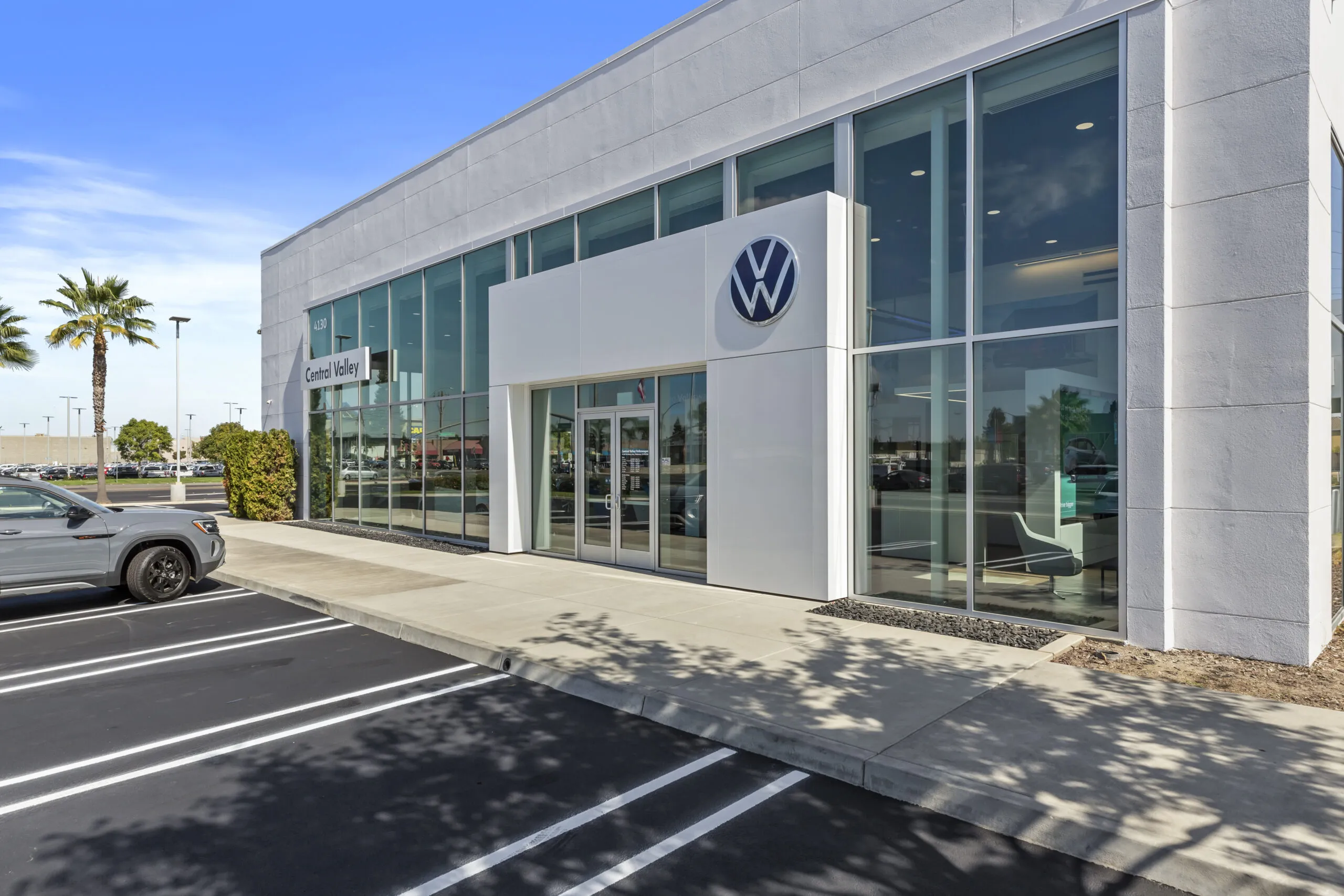
Feasibility studies, site assessments, and early conversations with your architect and contractor help you define the project’s boundaries and avoid costly surprises later. If you’re working with a design-build partner early, they can help you run quick construction cost models to test the viability of the concept before you invest heavily in design.
Once the concept has legs, preconstruction is where the real planning begins.
This is the time to:
The more detail you can build into this phase, the smoother the rest of the process will go. You’re essentially building the roadmap here, Any gaps or assumptions now will multiply later.
Pro tip: Early contractor involvement, including during conceptual design, improves cost accuracy and helps identify constructability challenges before construction begins.
With a solid baseline in place, the design team moves into full development. That includes architecture, structural, mechanical, electrical, plumbing, civil, and any specialty systems like solar, EV charging, or fire protection.
Key things to watch here:
If the project is being delivered as a design-build, design and construction teams should be working closely to make real-time decisions. If it’s design-bid-build, your contractor will step in later, but it’s still smart to bring one in for constructability review.
This part doesn’t get much attention — but it should. Jurisdictional approvals can make or break your schedule.
Each city or county has its own review process, and it’s not uncommon for comments or back-and-forth to drag on for weeks. The best way to stay ahead:
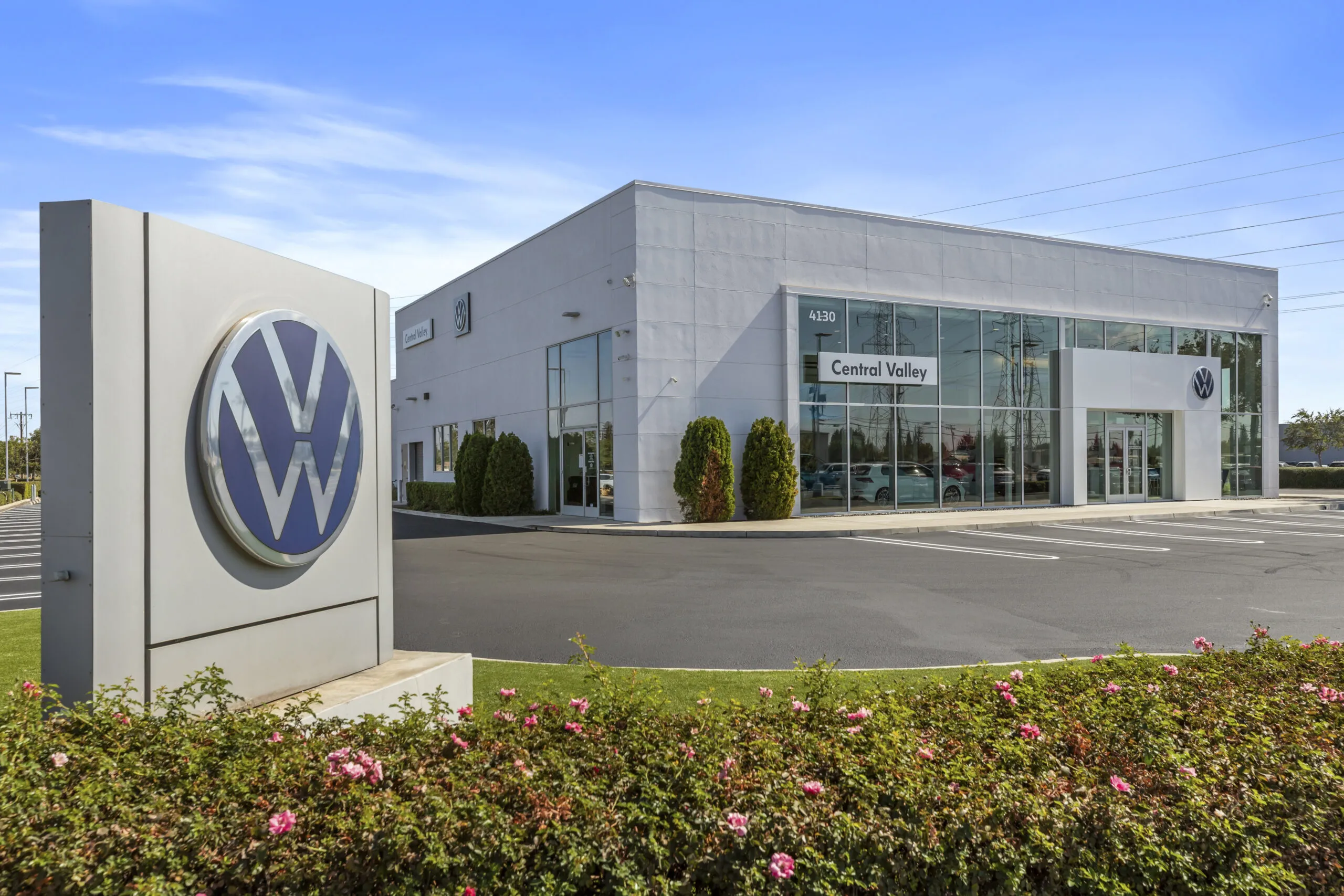
Also: if your project includes off-site work like street improvements or utility coordination, these often involve separate permits with different timelines.
With permits in hand and plans approved, the project moves into the field. At this point, execution becomes the focus:
Every project will encounter unknowns. The key is tight communication, early identification of issues, and a clear process for managing changes. Delays often happen when field conditions reveal conflicts that weren’t caught in design. This is more likely when design and construction were siloed.
Whether you’re managing a tenant improvement or a full ground-up development, real-time coordination between the project team and owner is critical.
This phase is more more than inspections. It’s about handing over a finished product that performs as expected and setting up the owner for long-term success.
Final steps include:
Plan for this phase early, and don’t underestimate how much coordination it takes, especially on larger projects.
The best teams treat closeout as the beginning of a long-term relationship, not the end of a contract.
Every project is unique. But the overall path (from concept to completion) follows a structure that’s proven to work. The more you know about the process, the better equipped you’ll be to lead your team, ask the right questions, and avoid the most common missteps.
Whether you’re a developer, an architect, or an owner’s rep, having the right team around you makes all the difference.
Each phase comes with decisions that affect cost, schedule, and outcomes. If you’re weighing options or running into uncertainty at any stage, I’m happy to share insight and help you think through next steps.
Email me at: j.simile@similebuilt.com
Joseph J. Simile
President, Simile Construction
209.545.6111