

President and COO
If you’ve been in commercial construction in California for more than a minute, you already know one thing: the codes never stop changing. In 2026 the changes are real and impactful.
The latest edition of the California building codes was published in 2025 and becomes the standard on January 1, 2026. This includes the new California Building Standards Code (Title 24) and the updated Energy Code (Title 24 Part 6). All projects permitted on or after that date have to comply with these new standards. Cal DGS+1
These new codes affect everything from energy performance and building design to documentation and who is qualified to complete the work. Here is what I am seeing in the field and what you need to know if you are designing or building in California right now.
California updates its building codes every three years. The 2025 code cycle produced the newest edition of Title 24 which will govern projects in 2026. This update reflects national model code changes adapted for California conditions and additional state specific amendments. Cal DGS
The new code goes beyond previous editions with stronger energy conservation standards, updated mechanical and electrical provisions, expanded energy performance metrics, and more robust documentation and compliance expectations. California Energy Commission
Because these codes are effective statewide, local agencies will enforce them along with any local requirements that may exceed the state standards. California Energy Commission
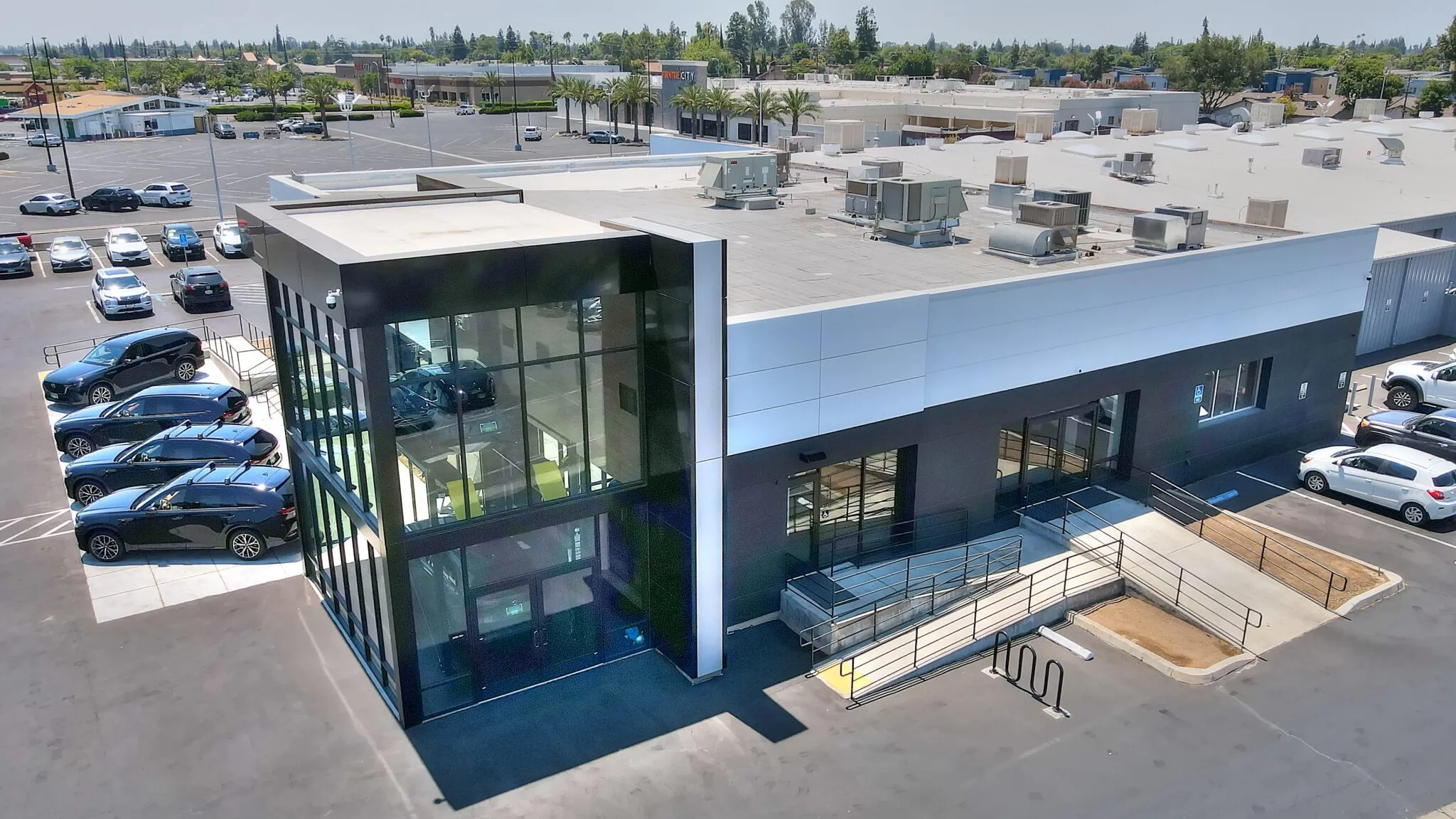
The coding direction is smart in concept but creates operational challenges.
Even with the best intentions, the reality of compliance can feel difficult.
The 2026 code updates are not something that can be handled at the last minute. Teams need to plan for them early. That means bringing in energy consultants and mechanical designers during preconstruction, not after drawings are done.
Every city may apply the rules a little differently. Some have stricter requirements for electric systems or energy efficiency. Knowing these local rules ahead of time can save time and money.
Schedules should allow for added steps like energy modeling, documentation, and inspections. When code compliance is part of the plan from the start, there is less risk of delays or costly changes later.
Take these codes seriously. Plan early and build your team around compliance. Know who your key experts are and include them in precon. Build realistic budgets and timelines and treat compliance documentation with the same priority as structure and envelope detailing.
Projects that stay ahead of these changes win in permitting, cost control, and long-term performance.
Need help navigating California’s building codes or making sense of the latest Title 24 updates? Joseph J. Simile |